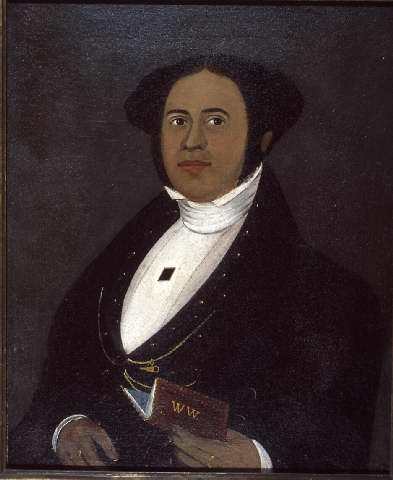
Station Master of the Underground Railroad and Father of Non Violent Protest
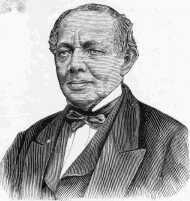
William Whipper was a station master/Conductor of the Underground Railroad in Philadelphia, PA. He raised my 3rd great grandfather James Whipper Purnell as his son. James Whipper Purnell married the daughter of Absalom Shadd, Julia, who was also from an Underground Railroad family. They had one son William Whipper Purnell, which was my grandfather. William Whipper and his partner and best fried Stephen Smith built one of the most successful lumber and real estate empires in nineteenth-century Pennsylvania. Their business holdings included real estate, railroad cars, and a steamship- all of which were frequently used to help fugitive slaves escape to the north.
William Whipper’s home in Columbia, Pennsylvania, was near the Wrightsville Bridge on the Susquehanna River. He shared that hundreds of enslaved Brothers and Sisters would travel a route from Maryland Eastern Shore to York and then to his home. He would then make a way for them to travel to Canada or be dispatched to various white and black residents in Columbia. Some remained in the small community, which became the home to nearly 1,000 blacks in the years before the Civil War. Others went by boat to Pittsburgh. The vast majority, however, rode in Smith and Whipper lumber wagons or rail cars to Philadelphia, where William Still and other members of the Vigilance Committee received them. William Whipper was also one of the pioneers of the Dawn Settlement, which was also refuge for enslaved Africans and the home of Uncle Tom’s Cabin in Dresden Ontario. He had many businesses and real estate in Dresden and Chatham Ontario. As editor of the journal of the American Moral Reform Society, an organization of African Americans whose purpose was to abolish slavery and establish liberty, justice, and humanity for all blacks, Whipper originally believed in non-resistance and moral persuasion. Eventually, however, too many encounters with racist whites in Columbia changed his mind. When a fugitive was shot and killed in 1852, Whipper noted sternly that it offered an example of “bullet emancipation” and that at least “it was better to deprive [the runaway] of his life than his liberty.” Whipper spent the latter part of his life in Philadelphia where he was a prominent member of the city’s African American community.
 We Love More Dr.Bruce
Happy Birthday Uncle William!
LOVE, CHERRIE
267-207-8110
LikeLike